Tuesday, March 1st, 2016
What is environmental nutrition?
Environmental nutrition examines the interrelationships between our food choices, our environment, and our health. The conventional food system threatens our health and overall well-being with increased air and water pollution, toxic chemical exposure, antibiotic-resistant bacteria, soil erosion, climate change inducing greenhouse gas emissions, and loss of biodiversity. These disruptions in environmental integrity can affect human health and nutritional status.
Environmental contamination from industrial and agricultural chemicals such as heavy metals, organochlorines, and radionuclides may compromise people’s nutritional status and health either directly or through changes in diet. Herbicides and pesticides eliminate uncultivated food sources from agroecosystems; other chemicals may make them unfit for consumption. Persistent organic pollutants (POPS) transported in the atmosphere can have adverse effects on traditional food systems far removed from major sites of pesticide use.
The EPA states that 25 billion pounds of toxic chemicals were produced by industrial facilities in 2014 alone. See what toxic chemicals have been released in your neighborhood with this interactive map.
(more…)
Tags: chronic disease, environmental toxins, fatigue, headaches, hypertension, insomnia, joint pain, muscle pain
Posted in Educational, Natural Medicine, The Environment | Comments Off on Environmental Nutrition
Tuesday, February 2nd, 2016
 Did you know that your skin is your largest organ? And it is a great pathway of elimination for the body. When you exercise, take a hot bath, or go in the sauna (any way you work up a sweat), you are encouraging toxic chemicals to be released from your skin!
With hundreds of thousands of man-made chemicals in our environment, we are all accumulating these compounds in our body. The majority of these compounds end up being stored in our fat cells, our bones, and our nervous system (including our brain). And many of them have very long half-lives in the body, years to decades! So with continuous exposure, you could expect to never get rid of those chemicals.
So how do we get them out? The major organs of elimination include our liver, GI tract, kidneys, lungs, and our skin. Elimination through our skin is one of the very underutilized ways of encouraging these toxins to leave our bodies. Exercising, increasing body temperature, and the subsequent sweating is a safe way to mobilize these toxins from where they were stored and excrete them out of our bodies.
(more…)
Tags: buffered vitamin C, chlorella, clean diet, detox, fiber, fish oil, fruits and vegetables, heavy metals, organic, personal care products, pesticides, sauna, sweat, toxins
Posted in Do's and Don'ts, Educational, Natural Medicine | Comments Off on Benefits of the Sauna
Tuesday, January 5th, 2016
Postpartum depression is very common among new mothers. In fact 40-80% of new moms feel the baby blues! Discussing your emotions and mental state with your health practitioner during pregnancy can be very helpful in catching any sign of depressed mood early.
Symptoms of depression may include negative feelings toward baby, lack of pleasure, lack of appetite, fatigue, feeling withdrawn, feeling worthless or guilty, agitated, irritable, trouble sleeping, difficulty concentrating, or having thoughts of death or suicide.
(more…)
Posted in Diseases and Condtions, Educational, Fertility and Pregnancy, Nutrition | Comments Off on Nutrition for PostPartum Depression
Wednesday, November 11th, 2015
Do you feel ready to make lifestyle changes, but just not sure if you will be able to pull it off? Making SMART goals is a great exercise to help you flesh out your goals and think through exactly how you are going to make these changes. It is also a great idea to share your goals with someone who can hold you accountable.
I encourage you to pick up a pen and a piece of paper and jot down the goals you want to reach. Look at each goal and evaluate it. Make any changes necessary to ensure it meets the criteria for a SMART goal:
S = Specific
M = Measurable
A = Attainable
R = Realistic
T = Timely
Specific
(more…)
Tags: SMART goals, sustainable lifestyle change
Posted in Do's and Don'ts, Educational | Comments Off on SMART Goals for Health
Tuesday, November 3rd, 2015
Glutathione is one of the most important molecules for protecting you against chronic diseases. Your body produces its own glutathione, but stress, poor diet, pollution and environmental toxins, medications, trauma, aging, infections, cancer, and radiation all deplete your levels. These stressors also make it harder for your body to produce adequate levels of glutathione to minimize the collateral damage from the stressors.
Glutathione is a molecule composed of three amino acids, cysteine, glycine, and glutamine. Sulfur, a component of cysteine, sticks to free radicals and toxins like heavy metals, which is then carried out of the body through the bile and stool.
With too much oxidative stress or too many toxins in our body, the glutathione becomes depleted and we can no longer protect ourselves against free radicals and infections, thus chronic illness develops. Glutathione is also critical in helping the immune system fight infections and prevent cancer. Maintaining adequate glutathione levels in your body is one of the best ways you can take care of your health. And luckily, diet and lifestyle changes boost glutathione levels significantly!
(more…)
Tags: antioxidant, detoxification, exercise, garlic, glutathione, methylation, onions, sulfur
Posted in Educational, Health Science, Nutrients and Foods | Comments Off on Glutathione: Your Body’s Best Antioxidant
Tuesday, October 6th, 2015
Our hair, skin, and nails deserve to be pampered and cared for! In fact the skin is the largest organ of our body and plays a critical role in our health. Our skin, nails, and hair reflect the state of health of our inner health. The functioning of the GI tract and liver are very connected to the health and appearance of your skin, hair and nails. By staying hydrated, eating fermented foods, avoiding food sensitivities, and eating a nutrient-dense whole foods diet you can have strong nails, glistening hair, and silky smooth skin.
While we all have different types of hair, skin and nails, we need the same basic nutritional support. If you do have concerns about what your hair, skin, or nails might be telling you about your health, consult your doctor or health professional. In addition to vitamins and minerals, hair, skin, and nail health is dependent on stress, hormone levels, medications, and hydration. The foods outlined in this article provide a nutritional guide for the foundation of your health, with an emphasis on nourishing your hair, skin, and nails. (more…)
Tags: b vitamins, hair, healthy fats, iron, nails, organic, probiotics, selenium, silica, skin, vitamin A, vitamin C, vitamin E, whole foods, zinc
Posted in Do's and Don'ts, Educational, Nutrients and Foods, Nutrition | Comments Off on Nutrition for Healthy Skin, Hair, and Nails
Tuesday, October 6th, 2015
What can your body tell you about your health?
Your pulse, blood pressure, temperature, and body composition are foundational ways to assess your health status. Your sense of smell and taste, oral health (tongue, lips, teeth, cheeks), and your nails can provide further insight into your nutritional status.
In what ways can you improve your health? Try out this quick, self-assessment and find out what your body is trying to tell you.
(more…)
Tags: healthy hair, high quality supplements, minerals, nails, nutrient deficiencies, nutrition physical exam, skin, vitamins
Posted in Educational, Health Science, Nutrition, Self-Check | Comments Off on Your Nutrition Physical Exam
Tuesday, July 7th, 2015
White Bread Contributes to Diabetes for Many Reasons
Aside from lacking fiber, nutrients, and protein, white bread contains small amounts of a chemical that is used to induce diabetes in laboratory rats and mice.
How does white bread become so white? The outer layers of the wheat seeds are removed and the flour is bleached, usually with chlorine gas. The Environmental Protection Agency (EPA) defines chlorine gas as a flour-bleaching, aging and oxidizing agent that is a powerful irritant, dangerous to inhale, and lethal. Other agents also used include oxides of nitrogen, nitrosyl, and benzoyl peroxide mixed with various chemical salts.
Similar to disinfection byproducts (DBPs) in water, alloxan is formed when the chlorine reacts with certain proteins remaining in the white flour after the bran and germ have been removed. Alloxan has not been added to the flour, but the manufacturing facility processes the wheat with chemical treatments that result in the formation of alloxan in the flour. (more…)
Tags: alloxan, blood sugar regulation, diabetes, food toxins, glucose control, insulin, weight management, white bread, whole foods
Posted in Educational | Comments Off on Alloxan: a Compound in Bleached Bread that Causes Diabetes
Tuesday, May 5th, 2015
X-Rays and ionizing radiation: How safe is it?
Have you ever wondered if getting an x-ray could cause long-term health effects? This article discusses ionizing radiation from x-rays and background sources of radiation exposure and it’s effects on the body.
X-ray essentials
X-rays are waves of extremely high energy composed of individual units of energy called photons. They have a short wave length, small enough to pass through “spaces” in our bodies. These rays travel at the speed of light, 186,000 miles-per-second. One important thing to note is that x-rays do not stay in the body. In very high doses (very much higher than we use in typical diagnostic radiography), x-ray can possibly cause damage to short-lived cells such as white blood cells, can induce malignant tumors, cause genetic changes and sterility, and reduce life span. (more…)
Tags: cancer, free radicals, ionizing radiation, mammogram, x-ray radiation
Posted in Educational | Comments Off on X-Ray Safety
Monday, March 16th, 2015
 Spring is your opportunity to cleanse your body from all the toxins you’ve accumulated during the winter. Wearing lots of clothes, eating heartier, saltier foods, not exercising as much, feeling gloomy like the weather, and not going outside are all wintertime behaviors that decrease your body’s ability to keep itself clean. Eating seasonal produce (and foods high in fiber), drinking plenty of water, and participating in outdoor physical activity are great ways to embrace the spring season and prepare your body for the upcoming warmer months. This smoothie will help you jump into spring by incorporating arugula and peach, two spring/summer foods for the Pacific Northwest!
The arugula is a mildly bitter, stimulating green that is rich in vitamins C and K, moderate amounts of minerals, and contains powerful antioxidants and sulfur-containing phytochemicals that support healthy metabolism of foods and toxins we encounter. Peaches, known to promote healthy skin, are rich in vitamins A, C, E, K, B vitamins, and electrolytes like potassium. They also contain fiber, which aids in healthy digestive function and elimination. Coconut milk, avocado, and hemp seeds contain healthy fats and proteins that will keep you full and satisfied for longer than your typical smoothie. They slow the absorption of the sugars from the fruit (and honey if you find you like your smoothies sweet). This smoothie is a great snack for when you are out gardening and watching your seedlings grow with the season.
(more…)
Tags: arugula, coconut, healthy fats, hemp seeds, peach, spring smoothie
Posted in Educational, In Touch with Nature, Nutrition, Recipes | Comments Off on “Jump into Spring” Smoothie
Sunday, December 7th, 2014
These foods are powerhouses for your body during pregnancy. Supporting the growth and development of a child is no small feat! And your body will need to be nourished with high-quality organic foods in order to prepare your body for the new life it supports.
Eggs and Egg Yolks – Egg whites are a complete protein source and egg yolks are rich in nutrients necessary for the healthy growth and development of a baby. Yolks are high in choline, which is critical for the development of the brain, neurons, and the synapses where two neurons can communicate. Four yolks and at least one egg white each day will provide about 500mg of choline, a modest recommendation for daily choline intake. Yolks are also rich in cholesterol, a crucial nutrient for the healthy development of a baby’s brain, nervous system, intestinal tract, and hormones.
(more…)
Tags: brain health, dairy, fertility, healthy fats, hormones, minerals, nutrient-dense, pregnancy
Posted in Educational, Fertility and Pregnancy | Comments Off on 7 Superfoods for Pregnancy
Sunday, December 7th, 2014
Research is showing that the decisions you make about your nutrition, exercise, stress, and environmental toxin exposure can influence your health and fertility. Additionally, these lifestyle factors also influence the health and development of your baby once your pregnant! While some aspects of lifestyle may not be modifiable, there are many that can be modified in order to promote health and fertility. The main factors that are influential to creating a fertile environment in both men and women include: (more…)
Tags: environmental toxins, fertility, infertility, natural health
Posted in Educational, Fertility and Pregnancy, Nutrition | Comments Off on 7 Lifestyle Factors that Influence Fertility
Tuesday, September 30th, 2014
 Common dishwasher detergents are loaded with toxic chemicals that leave residues on your dishes and subsequently come in contact with the food and beverages you eat! Don’t believe me? Visit the Environmental Working Group’s website to see how toxic your dish detergent is. Making your own dishwasher detergent at home is simple, cost-effective, and healthy for you, your family, and the environment. This recipe will thoroughly clean your dishes and not leave any soap residue.
Ingredients:
- 2 parts borax
- 2 parts washing soda
- 1 part salt
- 1 part citric acid
Directions:
Mix all ingredients in an air-tight container and use as you would use store-bought dish detergent! Label your container so you know when you made your detergent – you will be amazed at the money you save with this recipe.
Tags: homemade dishwasher detergent, natural living, non-toxic
Posted in Educational, Recipes, The Environment | Comments Off on Homemade Non-Toxic Dishwasher Detergent
Monday, June 2nd, 2014
Did you know that there are no federal regulation of chemicals in household products?! That means that there are no safety standards and no testing data required before selling the product to consumers like you! Chronic exposure to chemicals contributes to the body’s toxic burden, or the number of chemicals stored in our tissues at a given time. That means that all of the chemicals in our environment influence our health, often contributing to chronic disease. While there are numerous toxins that we are exposed to, we do have options to reduce our toxic exposure!

Toxic Ingredients in Cleaning Products
1. Phthalates
Found in: most fragranced household products like air fresheners, dish soap
Labeled as: ‘fragrance’
*companies don’t have to disclose phthalates
Health Implications: Endocrine, reduced sperm count, asthma, migraines
(more…)
Tags: ammonia, butoxyethanol, chlorine, common household toxins, non-toxic cleaning supplies, perchloroethylene, pthalates, sodium hydroxide, toxic exposure, toxins in cleaning supplies, triclosan
Posted in Educational, Recipes, The Environment | Comments Off on Guide to Healthy Household Cleaning Supplies
Monday, May 5th, 2014
I was in Tucson Arizona in April for the annual National Association of Nutrition Professionals Conference. It is such a great opportunity to connect with my fellow nutritionists, learn about cutting edge nutrition topics, and share our passion for the healing power of natural living. I wanted to share 5 lessons I learned at this year’s conference.

1. Food is information for your body. What message do you want to communicate? How about nourishing your cells with vitamins, minerals, phytonutrients, and energy-boosting foods! Did you know that the origin of the word “recipe” stems from the Latin word “recipere” which means “medical perscription“? I love that! Hippocrates had it right when he said to let medicine be your food and food be your medicine!
2. 1 in 2 men and 1 in 3 women will develop cancer in their lifetime! And cancer diagnoses worldwide are expected to increase by 45% in the next 20 years. A lifetime of sub-optimal lifestyle drives cells to malfunction and become cancerous. In fact, our environment contributes to 90-95% of cancer origins! The best cancer prevention involves eating organic, whole foods, plenty of plants, and supplementing with nutrients like CoQ10 and NAC that support healthy mitochondrial function. (more…)
Tags: artery health, biofilms, cancer, NANP, recipes, vitamin A
Posted in Educational | Comments Off on 5 Nutrition Lessons from NANP Conference 2014
Sunday, April 27th, 2014
Looking for a natural toothpaste that is low-cost and easy to make? This recipe will not only clean your teeth, but will also support oral health and strengthen your teeth. All of the ingredients work synergistically to kill bad bacteria, scrub plaque off your teeth, whiten, and freshen your breath. What a great way to support your oral health!

Ingredients:
- 3-5 tsp organic coconut oil, melted
- 2 tsp baking soda
- 1/2 tsp diatomaceous earth
- 3 tsp calcium and magnesium powder
- 1-2 drops of essential oil (optional: peppermint, orange, lavender, wintergreen are examples)
Directions:
Add all powdered ingredients in a small bowl or jar. Mix well. Add coconut oil and essential oils. Mix again. And brush your teeth! You can use a small spoon to scoop out the toothpaste from the bowl.
Tags: coconut oil, cost-efficient, diatomaceous earth, essential oils, home remedy, natural, toothpaste
Posted in Do's and Don'ts, Educational | Comments Off on Natural Homemade Toothpaste
Monday, March 31st, 2014
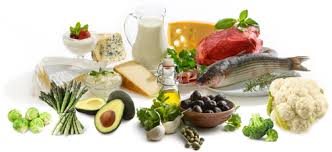
non-toxic lifestyle
If you eat right, you will thrive

What Does it Mean to Eat Right?
- Organic Whole Foods: Quality Matters
- Produce: in season is best
- Meat: pasture-fed, cage-free eggs, wild caught fish
- 5-6 Smaller Meals Each Day (eat breakfast!)
- Keep blood sugars (energy) stable
- Always eat protein or fat at every meal/snack
- 10+ Cups of CLEAN Water
- If your urine isn’t clear, drink more
- Never go anywhere without a reusable water bottle
- Address Digestive Issues
- GI tract is our connection with the external world (how food becomes energy)
- Digestive problems indicate there is something not right with what you are eating
- 70% of your immune system is in your gut
- Digestive issues can lead to nutrient deficiencies and poor athletic performance
- Avoid Food Allergens
- Dairy, gluten (wheat), soy, peanuts, tree nuts, fish, shellfish
- Allergens weaken your immune system, destroy your intestines
- Weak intestines leads to toxic molecules entering your body and making you sick
(more…)
Tags: granola, grass-fed, healthy fats, organic, smoothie, sustainably farmed, whole foods
Posted in Do's and Don'ts, Educational, In Touch with Nature, Nutrition, Recipes | Comments Off on Value of Living Healthfully
Monday, March 3rd, 2014
 Store-bought lotions often contain toxic chemicals and harsh ingredients that are easily absorbed through your skin. In fact, Americans are exposed to over 100 toxic chemicals each day from all of the personal care and cleaning products! That is a significant source of environmental toxins because these types of compounds are easily absorbed through your skin and go straight into the bloodstream. Fortunately, you can easily make your own nourishing lotion at home! (more…)
Tags: beeswax, coconut oil, DIY Lotion, essential oils, personal care products, shea butter, toxin-free
Posted in Do's and Don'ts, Educational | Comments Off on Homemade Lotion for Healthier, Smoother Skin
Tuesday, December 3rd, 2013

2013 is rapidly coming to a close. Are you ready for this year’s holiday season? Here are some tips for staying healthy, and some health-promoting gift ideas.
5 Tips to Stay Healthy this Month & Plan for a Year of Wellness
1. Start each day with a warm glass of water with lemon juice and sea salt to hydrate and refresh.
2. Remember your food sensitivities and avoid holiday treats that contain these ingredients, especially dairy and wheat! Instead splurge on a delectable treat within your food plan (ie. a hot chocolate made with raw cacao and coconut milk!)
3. Choose organic whole foods for 85% of your food intake, and save the 15% for treats at special events. This way you can feel good about eating right, but also be able to indulge and enjoy this merry season. (more…)
Posted in Educational, Promotional | Comments Off on Your Guide to a Healthy Holiday Season
Friday, August 23rd, 2013
Nutrition for Athletes
 Exercise puts stress on our bodies so it is important to nourish and feed yourself if you are an athlete. Here are some recommendations and tips to change your body composition, build strength, maintain muscle mass, and feel energized for your workouts.
(more…)
Tags: athletes, coconut, exercise, sports nutrition, whole foods
Posted in Educational | Comments Off on Sports Nutrition from a Holistic Perspective
Tuesday, August 6th, 2013

Health Benefits of Sulfur
Broccoli, onions and other members of the cruciferous and allium vegetable families contain high amounts of phytonutrients called isothiocyanates. These compounds help the liver detoxify harmful, often cancer-causing chemicals. One sulfur compound in particular, called sulforathane, increases live enzymes that quench free radicals and therefore prevents cellular and genetic damage. Another sulfur compound, indol-3-carbinol, has been studied to suppress breast cancer growth and prevent metastasis. Cruciferous and other sulfur containing vegetables are also known to protect the eyes against cataracts and age-related macular degeneration. For a quick and easy way to add sulfur-rich veggies to your diet, lightly steam broccoli and onion and toss with olive oil, garlic, lemon, and salt and pepper.
Tags: brassicas, cruciferous, indol-3-carbinol, sulforathane, sulfur
Posted in Educational, Health Science, Nutrition | Comments Off on Nutrient Profile: Sulfur
Tuesday, August 6th, 2013
Gardening: An Important Aspect of a Nourishing Lifestyle
Do you grow some of your own food? Have you wanted to start but just have not been able to for one reason or another? Now is a great time to start! A nourishing lifestyle is not only about eating well, it’s about living well. And growing and cultivating your own food has so many benefits for your health (and your wallet). Get your whole family involved and transform your yard into a garden and haven for beneficial insects and especially for bees!
(more…)
Tags: allium, cruciferous, home gardening, Seasonal eating, sulfur
Posted in Educational, Nutrition | Comments Off on Home Gardening
Thursday, July 25th, 2013
Pack On The Fun, Not The Pounds
Guest Post By Cole Millen
 It can be difficult to maintain a healthy diet in general, and that difficulty tends to be compounded on vacation. With temptations like in-flight snacking, minibar treats and restaurant foods many people return from amazing trips only to discover that they’ve gained five or ten pounds. Vacation doesn’t have to mean unhealthy eating though, and with the proper planning and self-control anyone can eat healthy on the fly.
(more…)
Tags: healthy vacation, planning ahead, traveling
Posted in Educational | Comments Off on Eat Healthy When You Travel
Wednesday, July 10th, 2013
Stress management techniques like meditation, yoga, and deep breathing can enhance the body’s ability to handle and recover from stressors like chronic disease, work stress, or relationship stress. These practices bring the body in to a state of relaxation, dominated by the parasympathetic nervous system. New research is providing some insight into why yoga and these techniques are beneficial to our health. (more…)
Tags: immunity, inflammation, meditation, mental health, metabolism, mindfulness, stretching, yoga
Posted in Do's and Don'ts, Educational | Comments Off on Yoga: Good for Your Immune System, Brain, and Metabolism
Monday, July 1st, 2013
and how we can regain control of our health through natural living
Recently I found a great article about how expensive healthcare is for the U.S. and the world. I wanted to share with you some highlights from the article about how many people in the world are not well. You can find the full article here: https://www.functionalmedicine.org/files/library/sp-problem-solution.pdf (more…)
Tags: chronic disease, lifestyle, non-toxic, organic
Posted in Diseases and Condtions, Educational | Comments Off on The Cost of Chronic Disease
Tuesday, June 4th, 2013
Neurotransmitters are the brain chemicals that transmit signals from one neuron to the next. They work with receptors in the brain to influence and regulate a wide range of processes such as mental performance, emotions, pain response and energy levels. Combined with hormones, vitamins, minerals, and other nutrients, neurotransmitters play a foundational role in regulating your ability to heal and strengthen your body and find optimal health.
(more…)
Tags: drug addiction, hormones, mental health, mood, neurotransmitters
Posted in Educational, Health Science | Comments Off on Neurotransmitters and Health
Tuesday, May 7th, 2013
Hormones determine how we feel! They are powerful molecules essential for maintaining physical and mental health. We frequently think of estrogen as being a female hormone, and testosterone as a male hormone. But men and women make and use both! Plus there are several others that affect health. An imbalance of any one hormone can throw your physical and mental health out of balance, causing aggravating and potentially serious health problems.
One size does not fit all when it comes to hormones! Your hormones are like your fingerprints, unique to you. In order to be optimally healthy, you need to know if you have any imbalances. (more…)
Tags: acne, estrogen, fatigue, hormone testing, hormones, low energy, mood swings, saliva testing
Posted in Diseases and Condtions, Educational | Comments Off on What are hormones and how do they affect our health?
Tuesday, February 26th, 2013
In traditional cultures, balancing health with a balanced lifestyle was a core belief. They live in harmony with the environment. The diseases of modern civilization were rare. Food and medicine were interwoven. All cultures used special or functional foods to prevent disease. Food could be used at different times and different situations and used as either food or medicine. Foods, cultivation, and cooking methods maximized community health and well-being. With methods passed down through generations, cooking processes were utilized that enhanced mineral and nutrient bioavailability. Today, the modern lifestyle lacks many of these traditional practices, and we have the high prevalence of chronic disease to show for it! (more…)
Tags: fermented foods, free-range, gluten-free, grass-fed, organic, supplements, traditional foods, whole foods
Posted in Educational, The Environment | Comments Off on Eating Traditional Foods for Longevity and Overall Wellness
Tuesday, February 19th, 2013
Not only are we exposed to external environmental toxins (air pollution, pesticides, heavy metals…), we are also exposed to our own internal toxins produced by the body. These toxins are often not neutralized and excreted from the body, but rather stored in the fat cells. When the body is under stress, it can release these toxins into the blood stream where they can wreak havoc on many other places in the body, causing inflammation and burdening the liver.
So how do you know if you are toxic? Do you suffer from headaches, excess weight, muscle/joint pain, food allergies, depression, insomnia, fatigue, asthma, body odor, or acne/eczema? If so, your body is trying to tell you that it is out of balance and these matters need to be addressed before they become serious health conditions.
Tags: environmental toxins, food allergies, heavy metals, joint pain, stress, toxins
Posted in Do's and Don'ts, Educational, Fertility and Pregnancy, Health Science, The Environment | Comments Off on Clear out your body’s toxins for more energy and better overall health
Saturday, September 29th, 2012
Genetically Modified Foods: Why So Many of Our Children Have Behavioral Problems & Why There is a Rise of Allergies and Chronic Disease
Genetic engineering is the process of adding a gene from another species into your target genome. Spider genes have been inserted into goats to make bullet-proof vests. Cow genes have been inserted into pigs so the pigs have cow hides. 88% of corn produced in the US and 96% of soy are genetically modified. Canola and alfalfa crops are also genetically modified.
GMO FACTS:
Since the mid 1990’s when GE crops were introduced, we have seen nationwide increases in GI diseases, inflammation, leaky gut, cancer, diabetes, heart disease, allergies, eczema, birth defects, infertility, autism, autoimmune diseases…
(more…)
Tags: corn, GMO, monsanto, prop 37, soy
Posted in Diseases and Condtions, Do's and Don'ts, Educational, Health Science, In Touch with Nature, The Environment | No Comments »
Thursday, September 27th, 2012
In this 45 minute webinar, learn about the causes of insomnia and how you can get a better night’s sleep tonight! Focusing on blood sugar support, hormonal balance, neurotransmitter balance, digestive health, and body composition, this webinar is not just about Insomnia, but about how to adopt a nourishing lifestyle for optimal health!
Watch here:
Conquer Insomnia: 5 Ways to Better Health and Sleep
And let me know what you think!
Tags: blood sugar support, body composition, diabetes, insomnia, mental health, sleep apnea
Posted in Do's and Don'ts, Educational | No Comments »
Tuesday, May 22nd, 2012
Bones cycle through periods of growth and breakdown throughout the course of your life. By our mid-20’s bones begin to lose their ability to regrow and are more prone to breaking down.
What Leads To Osteoporosis?
Eating an acidic, inflammatory diet including caffeine, alcohol, soda, refined sugar, processed foods, a high-salt diet, a meat-based (high protein) diet, and a low vegetable diet can all contribute to bone thinning. Eating foods you are allergic to can also lead to bone loss because your gastrointestinal system will be inflamed and have increased permeability (more, larger molecules and pathogens can pass undigested into the blood stream) which in turn increases the acidity of the blood and draws alkaline nutrients out of the bone. Moreover, malabsorption can lead to nutrient deficiencies that can inhibit bone regrowth.
(more…)
Tags: alkaline, bones, osteoporosis, plant-based diet
Posted in Diseases and Condtions, Do's and Don'ts, Educational, Food Allergies, Health Science, Nutrition | Comments Off on Osteoporosis: The Holistic Approach to Strong Bones
Wednesday, May 9th, 2012
What is the key to maximizing the nutrient content in your whole grains? Soaking and sprouting!
If you think about what a grain is, you will realize that grains are seeds, waiting to be buried, watered, and grow into a new plant. Seeds and legumes (beans, nuts) may also develop into a full grown plant. But why don’t the grains start growing? What is keeping them from germinating? (more…)
Tags: anti-nutrients, sprouting, whole grains
Posted in Do's and Don'ts, Educational, Nutrients and Foods | Comments Off on Get The Most Out of Your Grains
Monday, January 16th, 2012
Nutritional Guidelines For Pregnancy
Recent research has discovered the nutrient environment of a growing fetus and baby significantly impacts genetic expression. Overall health and risk of disease are in part dependent on the mother’s health and nutrient intake before, during, and after pregnancy. Just as nutrition is important to growing kids and adults, so to is it critical for the first weeks, months, and years of development. (more…)
Tags: calcium, detox, folic acid, herbs, iron, pregnancy
Posted in Do's and Don'ts, Educational, Fertility and Pregnancy, Nutrition | No Comments »
Sunday, January 8th, 2012
BASAL METABOLIC RATE
Calculating your caloric needs is in part based on you Basal Metabolic Rate is the amount of energy (calories) needed to keep a person alive. That includes a person’s heart beat, lungs movements, brain function, tissue processes, and body temperature. When a person exerts themselves beyond these basic measures energy expenditure increases. Even intensely exercising for a short amount of time can increase caloric needs. The quantity and quality of food you eat, water you consume, and heat your body produces all affect your BMR. (more…)
Tags: basal metabolic rate, Caloric needs, energy expenditure
Posted in Educational, Nutrition, Self-Check | No Comments »
Tuesday, December 13th, 2011
Take Charge of Your Health!
Ready to make some changes but not sure where to start? Take a look at one of these recommendations. Pick one, try it out for a week and see if you notice a change! (more…)
Posted in Do's and Don'ts, Educational, Nutrition | No Comments »
Monday, December 12th, 2011
These days, most ice creams are full of toxic additives. Ice cream manufacturers are not required by law to list the additives used in their products. Independent testing has discovered some toxic chemicals in ice cream that don’t appear on the ingredient list. What else are they hiding?
(more…)
Tags: celtic sea salt, low-glycemic dessert, toxic additives
Posted in Do's and Don'ts, Educational, Nutrients and Foods | No Comments »
Sunday, November 27th, 2011
Drinking pure water is a crucial factor of a healthy lifestyle. With your body being between 60-70% water, this substance plays a fundamental role in regulating all aspects of biological activity. Being dehydrated is the root cause of countless conditions that lead to tiredness and general malaise. Are you dehydrated? (more…)
Tags: alkaline, ionizers, plastic bottles, pure water, water
Posted in Do's and Don'ts, Educational, Nutrition, The Environment | No Comments »
Tuesday, November 15th, 2011
Your genes do not have to dictate your health. You may not be able to completely get rid of genes, but you can modify their expression through diet and lifestyle. Decisions that you make every day influence your genetic makeup, up-regulating certain genes while down-regulating others. Do you want your genes working with you or against you? (more…)
Tags: blood sugar, cancer, chronic disease, genes, inflammation, phytochemicals, plant-based diet
Posted in Do's and Don'ts, Educational, Nutrition | No Comments »
Sunday, October 23rd, 2011
Do you have food allergies, digestive distress, environmental toxicity, acne, or eczema? You may have a leaky gut! Read more to learn what happened and how to heal yourself. (more…)
Tags: antioxidants, leaky gut, probiotics
Posted in Diseases and Condtions, Educational, Food Allergies, Health Science, Nutrition, The Environment | No Comments »
Friday, October 21st, 2011
Maintaining a healthy balance of gut microflora is the key to efficient digestion and overall health. Dysbiosis is a condition when your healthy gut flora have been compromised and overtaken by disease-causing microbes. Food allergies, the overconsumption of refined sugars and flours and processed foods, use of nonsteroidal anti-inflammatory drugs, antibiotics, hypoacidity of the stomach, excessive consumption of alcohol, or the overconsumption of carbohydrates and fiber can lead to dysbiosis. (more…)
Tags: dysbiosis, leaky gut, microflora, prebiotics, probiotics
Posted in Educational, Food Allergies, Self-Check | No Comments »
Sunday, October 16th, 2011
The path of digestion begins even before you put food in your mouth. When you see and smell, or even just think about food, your salivary glands (parotid by the ear, sublingual and submandibular), release an enzyme called amylase, and mucus and water to coat the lining of the mouth. Chewing your food is crucial to prevent malabsorption and indigestion. (more…)
Tags: digestion, plant-based diet
Posted in Educational, Health Science | No Comments »
Monday, October 10th, 2011
There is an increasing occurrence of gluten sensitivity and intolerances today. Some people believe it is the result of genetically modifying the food we eat, although there is still no conclusive evidence of this. Perhaps the increase in allergies is a result of poor nutrition and sedentary lifestyle finally taking its toll on this generation. However, by adding new DNA to foods, new proteins are being expressed in these foods. (more…)
Tags: gluten, gluten-free, GMO, probiotics
Posted in Educational, Food Allergies, Health Science | No Comments »